
Solar Installation for Homes: What to Know Before You Get Started
Thinking about installing solar power at home? Learn how to assess your electricity needs, choose suitable equipment, understand battery backup and prepare for a reliable solar installation.
- BrightForge Editorial Team
- 6 min read
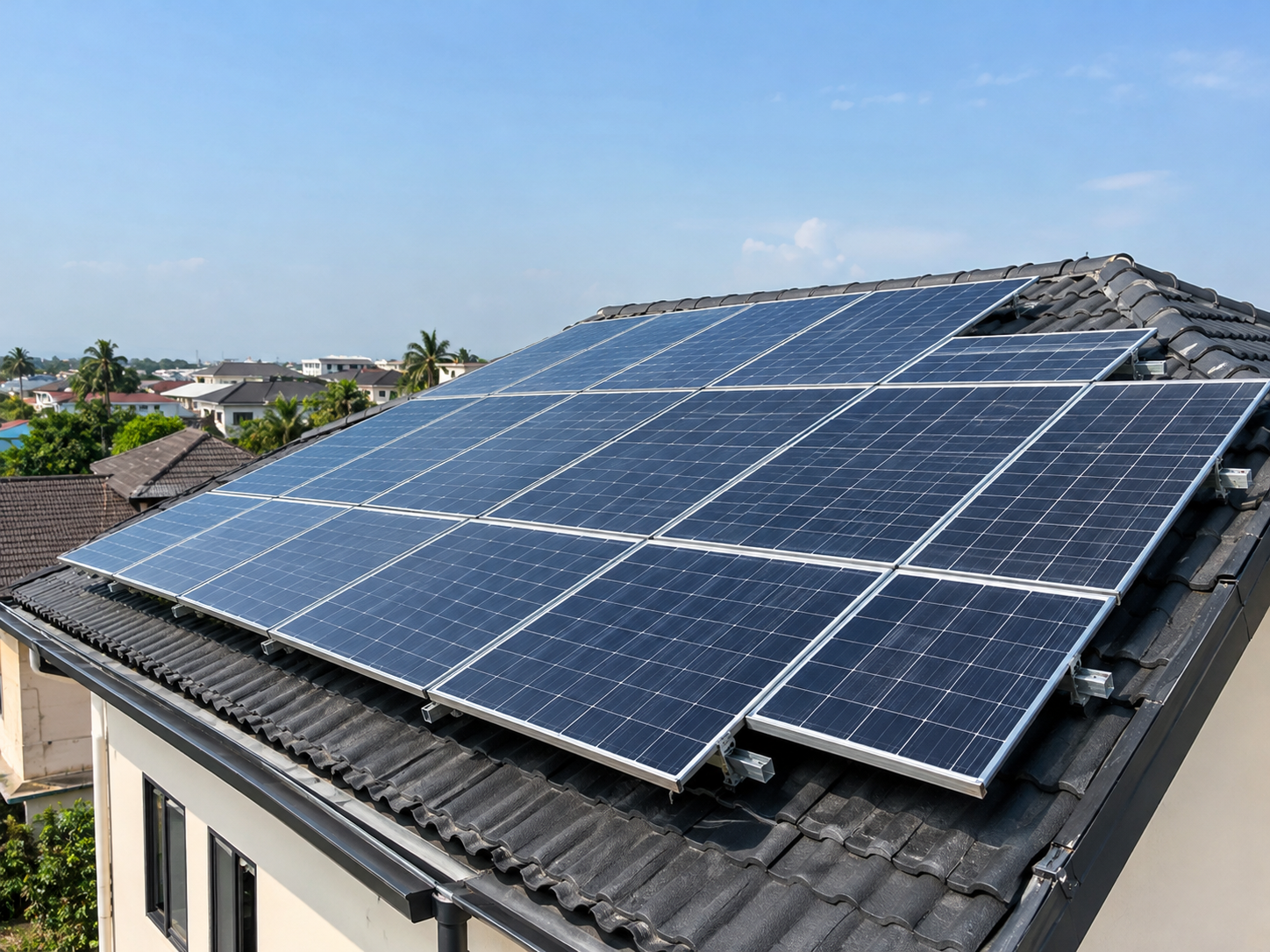
Thinking about installing solar power in your home? A properly planned solar system can help reduce reliance on the grid or generator and provide backup power during outages. However, choosing the right system requires more than buying a few solar panels and an inverter.
Your household's electricity consumption, the appliances you want to power, your budget and your backup requirements all affect the type of system you need.
Before committing to a solar installation, here are the key things to understand.
1. Understand Your Electricity Needs
The first step is to identify the appliances you want your solar system to power.
Make a list of the appliances you use regularly, such as:
Lights and ceiling fans
Television and internet equipment
Refrigerators and freezers
Laptops, phones and other small electronics
Water pumps
Air conditioners and other high-power appliances
Consider how many hours you use each appliance and whether you need it to operate during the day, at night or both.
Some appliances also require a higher starting current than their normal operating power. This is particularly important when assessing equipment such as refrigerators, pumps and air conditioners.
A proper load assessment helps determine the inverter capacity, battery storage and solar panel capacity appropriate for your needs.
2. Choose the Right Inverter
The inverter converts the electricity produced by solar panels or supplied by batteries into a form suitable for compatible household appliances.
When choosing an inverter, consider:
Power capacity: It must support the appliances you intend to operate simultaneously.
Starting loads: Some motors and compressors require additional power when starting.
System compatibility: The inverter must be suitable for the battery type and solar configuration.
Future needs: Consider whether you may add more appliances later.
A larger inverter is not automatically the best choice. The right capacity depends on your actual loads, the system design and your budget.
3. Understand Solar Panels and Their Placement
Solar panels capture sunlight and convert it into electricity. Their output depends on factors such as sunlight availability, panel orientation, shading, temperature and installation conditions.
Before installation, consider:
Whether your roof or mounting area receives sufficient sunlight.
Whether nearby buildings, trees or other obstacles create shade.
Whether the roof or mounting structure is suitable and secure.
Whether there is enough space for the proposed panel arrangement.
Whether the panels can be installed and maintained safely.
A professional assessment can help identify a suitable location and estimate the expected energy production.
4. Decide Whether You Need Battery Backup
Batteries store energy for use when solar generation is insufficient, including at night or during periods of poor sunlight.
Your battery requirements depend on which appliances you want to run, their power consumption and how long you need them to operate without sufficient solar generation.
For example, providing backup for lights, a television and a router generally requires less stored energy than supporting those loads alongside a refrigerator or air conditioner for many hours.
Battery capacity should therefore be selected according to your required backup duration and expected energy consumption—not simply the number of appliances in your home.
Remember that usable battery capacity, inverter efficiency, operating limits and battery condition all affect actual backup time.
5. Choose a Suitable Solar System Type
Different solar configurations serve different purposes.
Grid-connected systems
These systems operate in conjunction with the electricity grid. Their design and ability to provide power during outages depend on the equipment and configuration. Many standard grid-connected inverters shut down during a grid outage for safety reasons.
Off-grid systems
These systems are designed to operate without a utility grid connection. They usually require appropriate battery storage and careful planning to meet household energy needs through periods of limited sunlight.
Hybrid systems
Hybrid systems combine solar generation with battery storage and, depending on the design, a grid or generator connection. They can provide flexibility, but their backup capabilities depend on the inverter, battery capacity and installation configuration.
The most suitable option depends on your electricity supply, backup requirements, budget and how you intend to use the system.
6. Consider Installation Quality and Electrical Safety
Solar equipment must be correctly installed, configured and protected. Poor installation can damage equipment and create risks of electric shock, fire or system failure.
A suitable installation should account for:
Correctly rated cables and electrical protection.
Proper earthing and bonding where required.
Appropriate isolation and overcurrent protection.
Secure panel mounting and suitable weather protection.
Safe battery placement, ventilation where required and manufacturer instructions.
Compliance with applicable electrical requirements and equipment specifications.
Solar panels can produce dangerous DC voltage whenever illuminated. Installation, maintenance and fault-finding should be handled by appropriately qualified and competent professionals using suitable safety procedures.
Never attempt to work on live solar wiring or open electrical equipment to investigate a fault yourself.
7. Plan Your Budget Beyond the Panels
Solar installation costs involve more than the price of the panels. Depending on the system, your budget may also need to cover:
Inverter and batteries.
Mounting structures and installation materials.
Cables, protection devices and other electrical components.
Labour, installation and testing.
Any necessary improvements to the existing electrical installation.
Future maintenance or replacement of components.
Ask for a quotation that clearly explains the proposed system, equipment specifications, installation scope and any exclusions.
Comparing quotations is more useful when you compare the equipment and expected performance—not just the final price.
8. Ask for a Proper Assessment Before Buying
Before choosing a system, discuss your requirements with an experienced solar installer.
Useful questions include:
Which appliances will the proposed system support?
How much energy is it expected to produce under suitable conditions?
How long can the batteries support my essential loads?
What happens when the batteries are depleted?
Can the system be expanded later?
What warranties apply to the equipment and installation?
What maintenance will be required?
Clear answers help you understand what the system can realistically deliver and avoid paying for equipment that does not meet your needs.
Final Thoughts
A reliable home solar installation begins with understanding your electricity needs, choosing compatible equipment and planning for the right balance of solar generation, inverter capacity and battery storage.
Rather than selecting a system based on panel count or price alone, get your requirements assessed before purchasing equipment. A properly designed and installed system can help you make better use of your investment while supporting safer, more dependable power for your home.
If you are considering solar installation, BrightForge Electrical & Security Ltd can discuss your requirements and help you explore a suitable solution for your property.
Need help with this at your property?
Tell us what you need and we'll get back to you during business hours (Monday–Saturday, 9:00 AM–6:00 PM).