
Electrical Projects & Planning
CCTV Installation Cost in Nigeria in 2026: What Determines the Price?
Planning CCTV installation? Understand the equipment, camera quantities, installation requirements and factors that determine CCTV costs in Nigeria.
- Favour Otaigbe
- Updated
- 11 min read
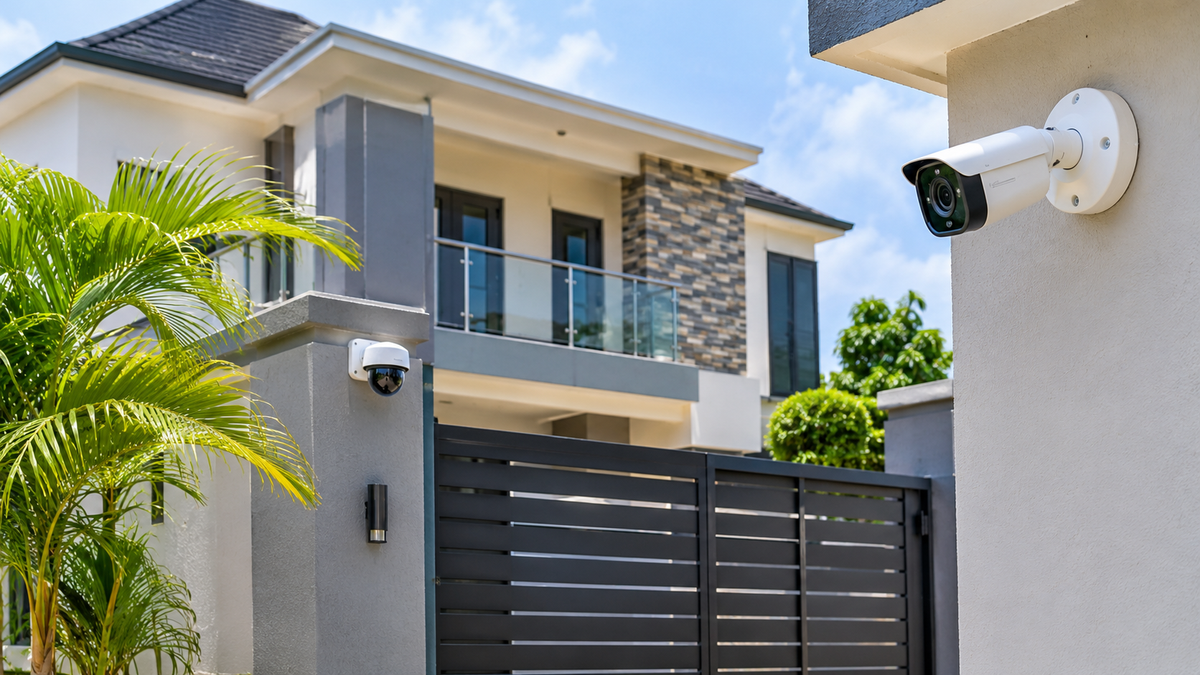
Planning to install CCTV cameras at your home, shop, office or business premises? Understanding CCTV installation costs in Nigeria can help you choose the right equipment, plan your budget and avoid unnecessary expenses.
The cost of installing CCTV cameras depends on several factors, including the number of cameras, camera quality, recording equipment, storage capacity, cable requirements and the complexity of the installation.
A small residential property may require only a few strategically positioned cameras, while a warehouse, office complex or large commercial property may need a more extensive surveillance system.
In this guide, we explain what determines CCTV installation costs in Nigeria, the different equipment options available, what to consider before installation and how to plan a system that meets your security needs.
Whether you are securing a home, shop or commercial property in Benin City or elsewhere in Nigeria, this guide will help you make an informed decision.
1. How Much Does CCTV Installation Cost in Nigeria in 2026?
There is no single fixed price for CCTV installation in Nigeria. The final cost depends on the property, equipment specifications, number of cameras and installation requirements.
For example, installing four cameras in a small residential compound is different from installing eight or sixteen cameras across a large commercial building.
Your total installation budget generally covers:
CCTV cameras.
Digital Video Recorder (DVR) or Network Video Recorder (NVR), depending on the system.
Surveillance hard drive for recording storage.
Cables, connectors and other installation accessories.
Power supplies and protective equipment.
Mounting materials and installation labour.
Configuration and testing.
When requesting a quotation, make sure you understand whether the price covers equipment only, installation labour only or a complete installation.
2. What Factors Affect CCTV Installation Costs?
Several important factors determine how much you will spend on a CCTV system.
A. Number of Cameras
The number of cameras required is one of the biggest factors affecting installation costs.
A small house may need cameras covering the entrance, compound and important access points.
A shop may require additional cameras covering the entrance, sales area, cashier position and stockroom.
Larger commercial properties may need cameras covering multiple buildings, corridors, parking areas and perimeter entrances.
However, installing more cameras does not automatically mean better security. Proper camera positioning is just as important as the number installed.
B. Camera Resolution and Image Quality
CCTV cameras are available in different resolutions and image qualities.
Common options include:
2MP Full HD cameras.
4MP cameras.
5MP cameras.
8MP or 4K cameras.
Higher-resolution cameras can capture more image detail, which may be useful when monitoring larger areas or identifying objects.
However, resolution is not the only consideration. Lens selection, lighting conditions, camera positioning and image processing also affect the quality of recorded footage.
Choose cameras based on the areas you need to monitor rather than simply buying the highest resolution available.
C. Wired vs Wireless CCTV Systems
CCTV systems can be installed using wired or wireless connections.
Wired CCTV systems
These systems use cables to connect cameras to a recording device or network infrastructure.
Advantages include:
Reliable connections when properly installed.
Suitable for permanent installations.
Centralised recording and management.
Less dependence on wireless signal strength.
However, installation may require more cable routing, drilling and surface finishing.
Wireless CCTV systems
Wireless cameras transmit video through a wireless network, although they may still require a separate power supply unless they are battery-powered.
Advantages include:
Flexible camera positioning.
Reduced video-cabling requirements.
Potentially easier installation in suitable locations.
However, wireless systems depend on adequate signal coverage and reliable power. Some battery-powered models also require regular charging.
The best option depends on the property, installation conditions and your monitoring requirements.
D. DVR, NVR and Recording Equipment
The recording device is another important part of a CCTV installation.
A Digital Video Recorder (DVR) is commonly used with traditional analogue CCTV cameras.
A Network Video Recorder (NVR) is commonly used with IP cameras.
The choice depends on the camera technology, system design and required features.
Before purchasing a recording device, consider:
Number of supported camera channels.
Compatibility with the selected cameras.
Recording resolution.
Available storage capacity.
Remote monitoring features.
Future expansion requirements.
It is often better to plan for future camera additions rather than purchasing a recording device that will immediately become insufficient.
E. Recording Storage Capacity
CCTV cameras can record continuously, according to a schedule or when motion is detected, depending on the system configuration.
The amount of storage required depends on:
Number of cameras.
Recording resolution.
Frame rate.
Video compression.
Recording schedule.
Desired retention period.
For example, a business that needs to retain footage for several weeks may require more storage than a homeowner who only needs a shorter recording history.
Always discuss your required recording period before selecting a hard drive.
F. Installation Complexity
The physical condition and layout of your property can significantly affect installation costs.
Some installations are straightforward, while others require extensive cable routing, additional mounting materials, work at height or long-distance connections.
Factors include:
Building size and layout.
Number of floors.
Distance between cameras and recording equipment.
Concealed or surface-mounted cabling.
Height and accessibility of installation points.
Outdoor weather exposure.
Existing electrical infrastructure.
A proper site assessment helps establish the actual installation requirements.
3. How Many CCTV Cameras Do You Need?
The number of cameras required depends on the size of your property and the areas you want to monitor.
Here are some general planning examples.
Property type | Possible starting arrangement |
|---|---|
Small residential compound | 2–4 cameras |
Medium-sized home | 4–6 cameras |
Small shop | 2–4 cameras |
Medium-sized business | 4–8 cameras |
Warehouse or large premises | 8 or more cameras |
These are planning examples, not fixed recommendations. The actual number may be higher or lower depending on the property's layout.
Before choosing a camera quantity, identify:
Main entrances and exits.
Important outdoor access points.
Areas containing valuable equipment or stock.
Parking and loading areas.
Blind spots around the property.
The objective is to achieve useful coverage without unnecessary duplication.
4. Important Features to Consider Before Buying CCTV Cameras
Not every CCTV camera is suitable for every environment.
Consider these features before purchasing equipment.
Night Vision
Outdoor cameras should provide suitable night-time visibility.
Depending on the model, night vision may use infrared illumination or colour imaging with additional lighting.
Check the actual night-time image quality rather than relying solely on advertised specifications.
Weather Resistance
Outdoor cameras should be suitable for the environmental conditions where they will be installed.
Check the manufacturer's weather-resistance rating, mounting requirements and installation recommendations.
Motion Detection
Motion detection can help identify activity within monitored areas and reduce unnecessary notifications.
Some cameras also support more advanced detection features, but their availability and accuracy vary by model.
Remote Viewing
Many modern CCTV systems allow property owners to view camera footage through a mobile application.
This feature can be particularly useful for homeowners, landlords and business owners who are frequently away from their premises.
Remote viewing depends on compatible equipment, correct configuration and a suitable internet connection.
Recording and Playback
Ensure that your system supports the recording and playback functions you require.
A CCTV system that displays live footage but cannot retain useful recordings may not meet your security requirements.
5. Common CCTV Installation Mistakes to Avoid
Choosing the cheapest available equipment or installation quotation can sometimes result in an ineffective surveillance system.
Watch out for these mistakes:
1. Poor camera positioning
A camera may be installed without adequately covering the entrance or area it is intended to monitor.
2. Ignoring night-time performance
A camera that produces clear daytime footage may deliver disappointing images at night.
3. Insufficient storage
An undersized hard drive may result in a shorter recording history than expected.
4. Poor cable installation
Exposed, poorly protected or badly terminated cables can create reliability problems.
5. Ignoring power requirements
Cameras and recording equipment need a dependable power supply. Consider what happens when public electricity is unavailable.
6. Buying incompatible equipment
Cameras, recorders, storage devices and power supplies must be compatible with one another.
7. Failing to test the installation
Every camera should be checked after installation to confirm that it displays correctly, records properly and provides the intended coverage.
6. Can CCTV Cameras Work During Power Outages?
Yes, but the system needs an appropriate backup power arrangement.
A conventional CCTV installation may stop working when its power supply is interrupted.
Depending on the equipment, backup options can include:
UPS systems.
Suitable backup batteries.
Integration with an existing inverter system.
Solar-supported power arrangements.
When planning your installation, consider both the cameras and the recording equipment. Keeping the cameras powered while the recorder switches off will not provide continuous recording.
For properties that already have solar power, the CCTV system may be integrated into the wider electrical installation after checking the available capacity and equipment requirements.
7. Should You Install CCTV Yourself or Hire a Professional?
Some standalone cameras are designed for relatively simple installation.
However, a multi-camera surveillance system requires more careful planning.
Professional installation can help with:
Selecting suitable camera locations.
Planning cable routes.
Choosing compatible equipment.
Setting up recording devices.
Configuring remote viewing where supported.
Testing camera coverage and recording.
Organising power supplies and cable protection.
For larger homes, offices, warehouses and commercial premises, professional installation is particularly important.
A properly planned installation can reduce blind spots, improve reliability and make the system easier to maintain.
8. What Should a CCTV Installation Quotation Include?
Before accepting a quotation, ensure that you understand exactly what is being supplied and installed.
A clear CCTV quotation should identify:
Number and type of cameras.
Camera resolution and relevant specifications.
DVR or NVR specifications.
Recording hard drive capacity.
Cable types and estimated quantities.
Power supplies and accessories.
Installation labour.
Configuration and testing.
Warranty information, where applicable.
Any additional work or exclusions.
Do not compare quotations based on the total amount alone. Two installers may be proposing completely different equipment and installation standards.
Understanding the scope helps you compare offers fairly.
9. Get Professional CCTV Installation in Benin City
Whether you want to secure your home, shop, office, warehouse or commercial premises, choosing the right CCTV system starts with understanding your security requirements.
At BrightForge Electrical & Security Ltd, we provide CCTV installation services for residential and commercial properties in Benin City, Edo State, and consider suitable installation enquiries from elsewhere in Nigeria.
Our CCTV installation service covers camera positioning, mounting, cabling, recorder setup and remote-viewing configuration where supported by the equipment.
We can help you plan an installation that considers your property layout, monitoring requirements and available budget.
Ready to install CCTV cameras?
Contact BrightForge to discuss your project and request a quotation.
Location: Benin City, Edo State, Nigeria.
Service: CCTV installation for homes and businesses.
Phone: 0811 353 9650.
Website: https://brightforge.ng
You can also visit our CCTV Installation Service Page to learn more.
Frequently Asked Questions About CCTV Installation in Nigeria
1. How much does CCTV installation cost in Nigeria in 2026?
The cost depends on the number of cameras, equipment specifications, storage capacity, cabling requirements and installation complexity. A site assessment and equipment specification are needed for an accurate quotation.
2. How many CCTV cameras do I need for a four-bedroom house?
A four-bedroom house may require approximately four to six cameras as an initial planning estimate. However, the actual number depends on the compound layout, entrances, blind spots and areas requiring monitoring.
3. Which is better, DVR or NVR CCTV?
DVR systems are commonly used with analogue cameras, while NVR systems are designed for network cameras. Neither is automatically better for every installation. The appropriate option depends on your equipment, budget and surveillance requirements.
4. Can I view my CCTV cameras on my phone?
Yes. Many modern CCTV systems support mobile viewing through compatible applications. The recorder or cameras must support the feature, and remote access generally requires an appropriate internet connection.
5. Can CCTV cameras record without electricity?
They need a power source. However, a properly designed backup power arrangement can keep the cameras and recording equipment operating during public electricity outages.
6. How long can CCTV cameras store recordings?
Recording duration depends on hard drive capacity, camera resolution, number of cameras, compression settings and recording schedule. Your required retention period should be considered when selecting storage.
7. Is wired CCTV better than wireless CCTV?
Wired CCTV is often suitable for permanent installations requiring dependable connections. Wireless systems can offer greater installation flexibility, but they depend on adequate wireless coverage and reliable power. The best choice depends on the property and equipment.
8. Can CCTV be installed in an existing building?
Yes. CCTV can be installed in existing buildings as well as new constructions. The installation approach depends on available cable routes, mounting positions and the desired appearance.
9. Does BrightForge install CCTV cameras in Benin City?
Yes. BrightForge Electrical & Security Ltd provides CCTV installation services in Benin City, Edo State, and considers suitable enquiries from other locations in Nigeria.
10. How do I request a CCTV installation quotation?
Contact BrightForge with your property location, the type of building, areas you want monitored and any available photographs or building plans. These details help us understand your requirements and determine the next steps.
BrightForge Electrical & Security Ltd
Smart Solutions. Lasting Impact.
Professional electrical, security and smart-home solutions for homes and businesses.
Need help with this at your property?
Tell us what you need and we'll get back to you during business hours. (Monday–Saturday, 8:00 AM–6:00 PM)