
7 Warning Signs Your Home's Electrical Wiring Needs Attention
Electrical problems can start with small warning signs. Learn seven signs that your home's wiring needs attention and when to call a qualified electrician.
- BrightForge Editorial Team
- 4 min read
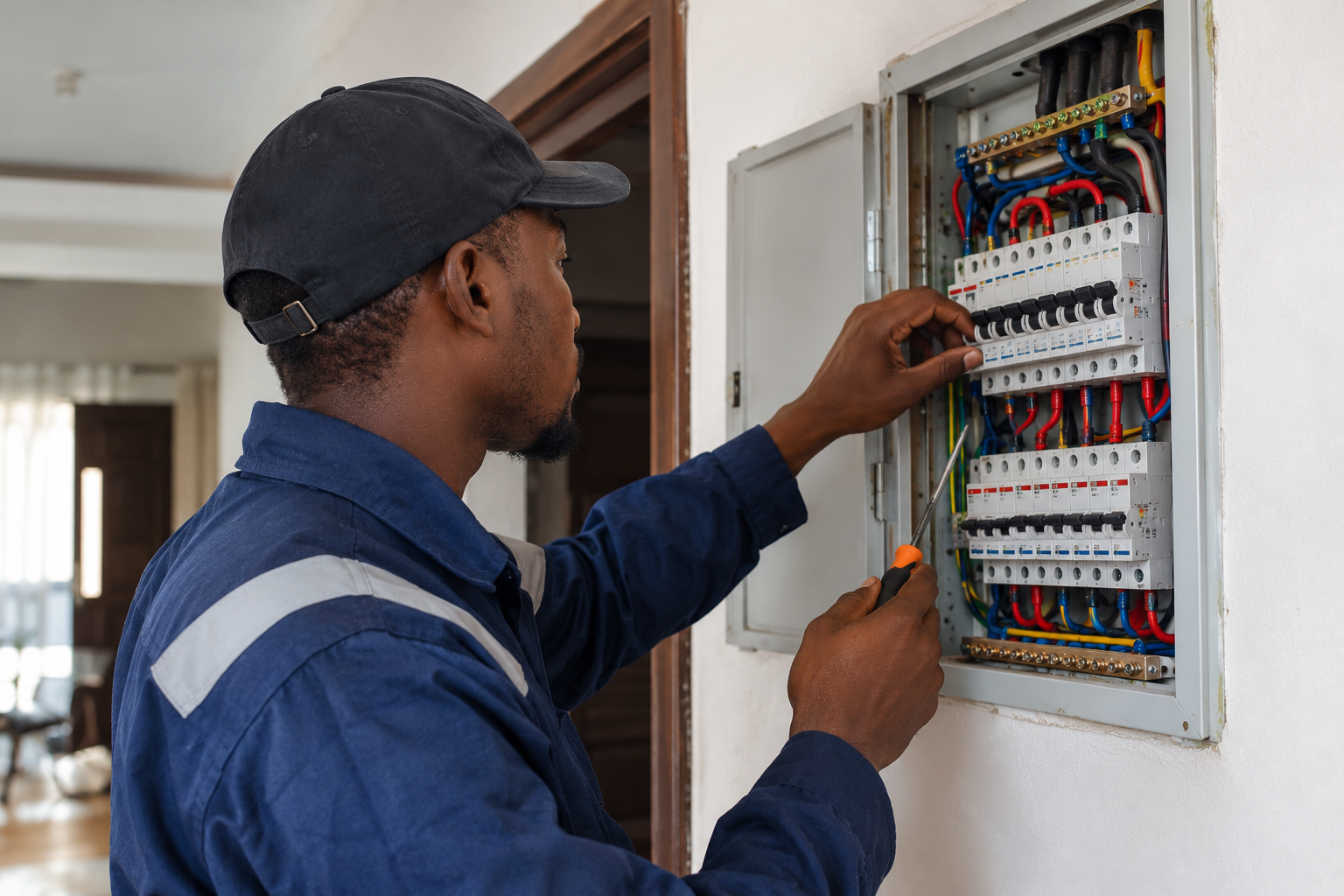
Your home's electrical system powers your lights, appliances and everyday activities. But when something goes wrong, the early warning signs are easy to overlook.
Whether you live in a flat, a family home or a larger property, recognising these signs can help you know when to seek professional electrical assistance.
Here are seven warning signs every homeowner should take seriously.
1. Frequent circuit breaker trips
Circuit breakers are designed to interrupt electricity when a circuit becomes overloaded or develops a fault.
If a breaker keeps tripping, it could indicate an overloaded circuit, faulty appliance, short circuit or another electrical problem. Do not repeatedly reset it without finding the cause.
A qualified electrician can inspect the circuit and identify the underlying issue.
2. Burning smells near sockets or switches
A persistent burning or melted-plastic smell around an electrical socket, switch or distribution board can indicate overheating or damaged connections.
Treat this as an urgent warning. Stop using the affected equipment and, if you can do so safely, switch off the relevant circuit. Keep away from the affected area and contact a qualified electrician. If you see smoke or fire, move to safety and call the appropriate emergency service.
Never open a socket or distribution board to investigate while it may be live.
3. Flickering or dimming lights
An occasional flicker may come from a loose bulb or another simple issue. However, repeated flickering, unexplained dimming or changes when appliances start operating may indicate a loose connection, overloaded circuit or supply problem.
Do not assume that changing the bulb will solve every case. Persistent symptoms deserve professional inspection.
4. Warm, discoloured or buzzing sockets
Electrical sockets and switches should not become unusually hot during normal use. Brown marks, melted plastic, crackling sounds or buzzing can signal a dangerous fault.
Stop using the affected outlet. Do not touch exposed wiring or attempt repairs yourself. Arrange an inspection by a qualified electrician.
5. Electric shocks or tingling sensations
Feeling a shock or tingling sensation when touching an appliance, metal fitting or switch is not normal.
Possible causes include faulty appliances, damaged insulation or earthing problems. Stop using the equipment and seek professional assistance. Do not touch the affected appliance again to test whether the problem persists.
6. Damaged, exposed or deteriorating wires
Cracked insulation, exposed conductors, loose connections and visibly damaged cables can increase the risk of electric shock and fire.
Keep children and other occupants away from the affected area. Do not tape over a serious fault and continue using the circuit as though it were safe. Have the wiring assessed and repaired properly.
7. An old electrical installation that has never been inspected
Older wiring is not automatically unsafe, but an installation that has not been inspected for many years may no longer be suitable for the property's current electrical demands.
New air conditioners, water heaters, cooking equipment and other high-power appliances can place additional demands on an existing installation.
An electrical inspection can help identify deterioration, inadequate circuit protection, earthing issues and other problems before they become more serious.
How can you keep your home's electrical system safer?
A few sensible habits can reduce avoidable electrical risks:
Avoid overloading sockets and extension leads.
Use appropriately rated electrical equipment.
Keep electrical installations dry and protect them from water.
Never handle exposed wires or attempt live electrical repairs.
Arrange professional inspections when warning signs appear or when planning major electrical upgrades.
Electrical work should be carried out by a suitably qualified professional using appropriate protective measures and components that meet applicable requirements.
Final Thoughts
Electrical warning signs should never be ignored. Whether it's a frequently tripping circuit breaker, flickering lights or a burning smell near a socket, identifying problems early can help prevent electrical hazards and costly damage.
If you notice any of these signs, stop using the affected equipment where necessary and arrange for a qualified electrician to inspect the installation. Never attempt electrical repairs beyond your competence.
Safety note: This article provides general information and is not a substitute for a professional electrical inspection.
Need help with this at your property?
Tell us what you need and we'll get back to you during business hours (Monday–Saturday, 9:00 AM–6:00 PM).